Bitcoin ETF Inflows Rebound Amid Market Volatility
Bitcoin spot ETF inflows are rebounding as market volatility spikes. See how surging institutional demand is reshaping wBTC TVL and DeFi collateral markets.


Spot Bitcoin ETFs in the U.S. pulled in $167 million on March 25, snapping a three-day outflow streak and signaling renewed institutional appetite even as the Crypto Fear & Greed Index sits at 14, deep in “Extreme Fear” territory. The rebound lands in a month that has already seen $2.5 billion in cumulative Bitcoin ETF inflows, but the volatility backdrop raises pointed questions for DeFi users holding wrapped BTC collateral across lending protocols.
Bitcoin ETF Inflows Surge Back: What the Flow Data Shows
Monday’s $167 million net inflow reversed a brief but notable outflow streak that had rattled sentiment among ETF watchers. The turn came with Bitcoin trading near $70,600, roughly 20% below its January 1 starting price of $87,496.
March 2026 has been a standout month for institutional flow despite the price drawdown. Bitcoin ETFs have accumulated approximately $2.5 billion in net inflows this month alone, putting the products on pace to recover ground lost during earlier 2026 volatility.
The broader Q1 picture is even more striking. Combined net inflows for the quarter have reached $18.7 billion, pushing cumulative net inflows since the spot Bitcoin ETFs launched in January 2024 past $65 billion.
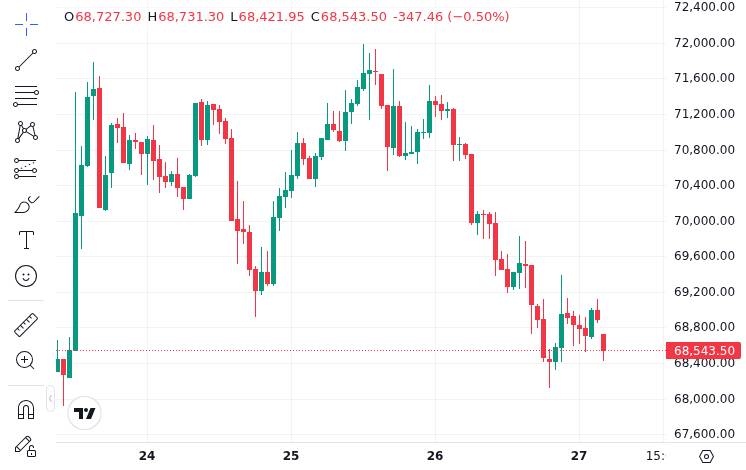
The volatility context makes these inflows significant. Bitcoin peaked at $126,198 on October 6, 2025, meaning the current price represents a drawdown of over 44% from the all-time high. The Fear & Greed Index has registered “Extreme Fear” for 46 consecutive days as of March 26, the longest such streak since the post-FTX collapse in late 2022.
Institutional buyers are stepping in precisely where retail sentiment is weakest. As HedgeCo Insights noted, “Volatility drivers are shifting from speculative leverage to institutional flow momentum, and sustained directional moves increasingly correspond with ETF data.”
The pattern suggests flows are more structural than reactive, with several trading sessions in March recording over $1 billion in single-day net inflows across the spot ETF complex.
Volatility Spike Pressures wBTC and cbBTC Collateral Across DeFi Protocols
For DeFi participants, the ETF inflow rebound creates a less obvious but important dynamic. Net institutional accumulation through ETFs removes BTC from the circulating supply available for wrapping into DeFi-compatible tokens like wBTC and Coinbase’s cbBTC.
When ETF custodians absorb spot BTC at scale, the supply available to bridge protocols and wrapping services tightens. This compression matters most during volatility spikes, when DeFi lending protocols like Aave, Sky (formerly MakerDAO), and Compound see collateral utilization rates climb as borrowers draw down against their BTC positions.
The current environment, with Bitcoin down 20% year-to-date and implied volatility elevated, puts BTC-collateralized positions closer to liquidation thresholds. Aave v3’s wBTC market and Sky’s BTC vaults both operate with collateralization requirements that leave less buffer during sharp drawdowns, similar to dynamics seen during the emergence of Bitcoin-backed financial products in traditional markets.
Historical precedent offers a warning. During the March 2024 correction, a rapid BTC price decline triggered cascading liquidations across DeFi lending protocols, with wBTC collateral positions unwound in hours. The current 46-day extreme fear streak suggests the market is already under sustained stress.
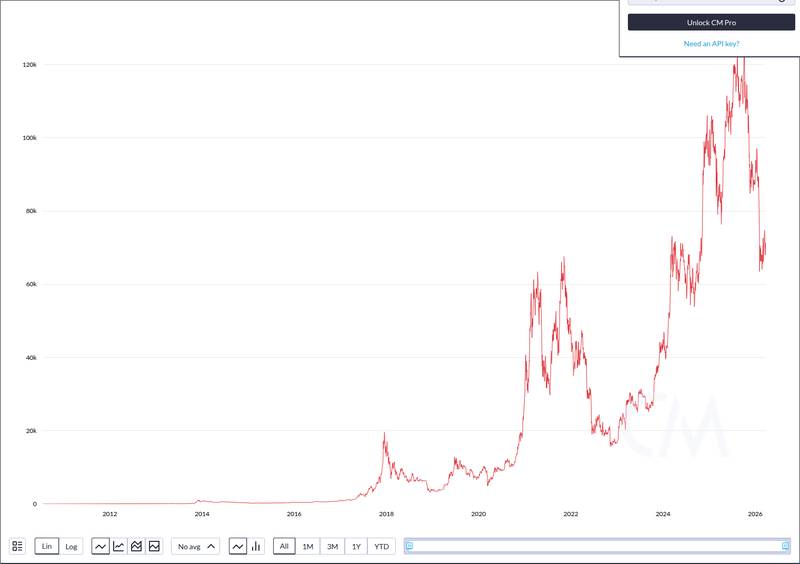
The interplay between ETF accumulation and DeFi collateral depth is a structural shift worth monitoring. As institutional vehicles absorb more spot BTC, the pool of Bitcoin available for DeFi wrapping protocols shrinks, potentially amplifying liquidation cascades when volatility hits. This tension between traditional and decentralized finance is reshaping how protocol TVL and collateral dynamics respond to macro events.
Protocol Outlook: Liquidity Concentration Risk and Governance Gaps
The concentration of BTC collateral across a handful of protocols and chains creates systemic risk that governance forums have been slow to address. The majority of wrapped BTC liquidity sits on Ethereum as wBTC, with growing but still smaller pools of cbBTC on Base and tBTC on other chains.
This fragmentation means a liquidity crunch on one chain does not automatically resolve through cross-chain arbitrage. If Ethereum-based wBTC faces heavy liquidation pressure, cbBTC on Base cannot absorb the demand without bridge latency and slippage costs that may worsen the cascade.
Governance response to these risks has lagged. Protocol parameter updates for LTV ratios, liquidation bonuses, and collateral caps typically move through multi-day voting cycles. In a fast-moving volatility event, these parameters can become stale before governance can react, as regulatory frameworks in traditional finance increasingly recognize.
MEV and liquidation bot activity also intensifies during BTC volatility windows, with bot operators front-running liquidation transactions to capture bonuses. This dynamic extracts value from collateral providers and can accelerate the unwinding of positions beyond what organic selling would produce.
For DeFi users with active wBTC or cbBTC collateral positions, the key monitors remain: governance forum proposals on Aave and Sky for any collateral parameter changes, cross-chain bridge liquidity depth between Ethereum and L2s, and the relationship between ETF flow data and on-chain wrapping volumes. The $65 billion in cumulative ETF inflows represents a structural bid that is unlikely to reverse, meaning the competition for spot BTC between institutional custody and DeFi collateral will only intensify.
Disclaimer: This article is for informational purposes only and does not constitute financial or investment advice. Cryptocurrency and digital asset markets carry significant risk. Always do your own research before making decisions.
Defiliban · Oliver Benjamin

Oliver Benjamin
@oliver-benjamin